Beni & Goma · North Kivu, the Democratic Republic of the Congo
In eastern Congo, childhood is on the front line.
Scroll to see what changes that
Beni & Goma · North Kivu, the Democratic Republic of the Congo
Scroll to see what changes that
The crisis
1,397
children were recruited by armed groups in the DRC in 2025, and those are only the cases the UN could verify.
UN Secretary-General, Children and Armed Conflict report, 2026
Our answer
A Center for Hope in Beni in 2020, then a second in Goma in 2025. Safety, meals, school and care, all run by a Congolese team.
Since March 2020
1,002
children reunited with their families.
Safe · In school · Home
Who we are
Fesser and Friends is a US nonprofit that runs two Centers for Hope in eastern Democratic Republic of the Congo, with our Congolese partner, World Hope Givers.
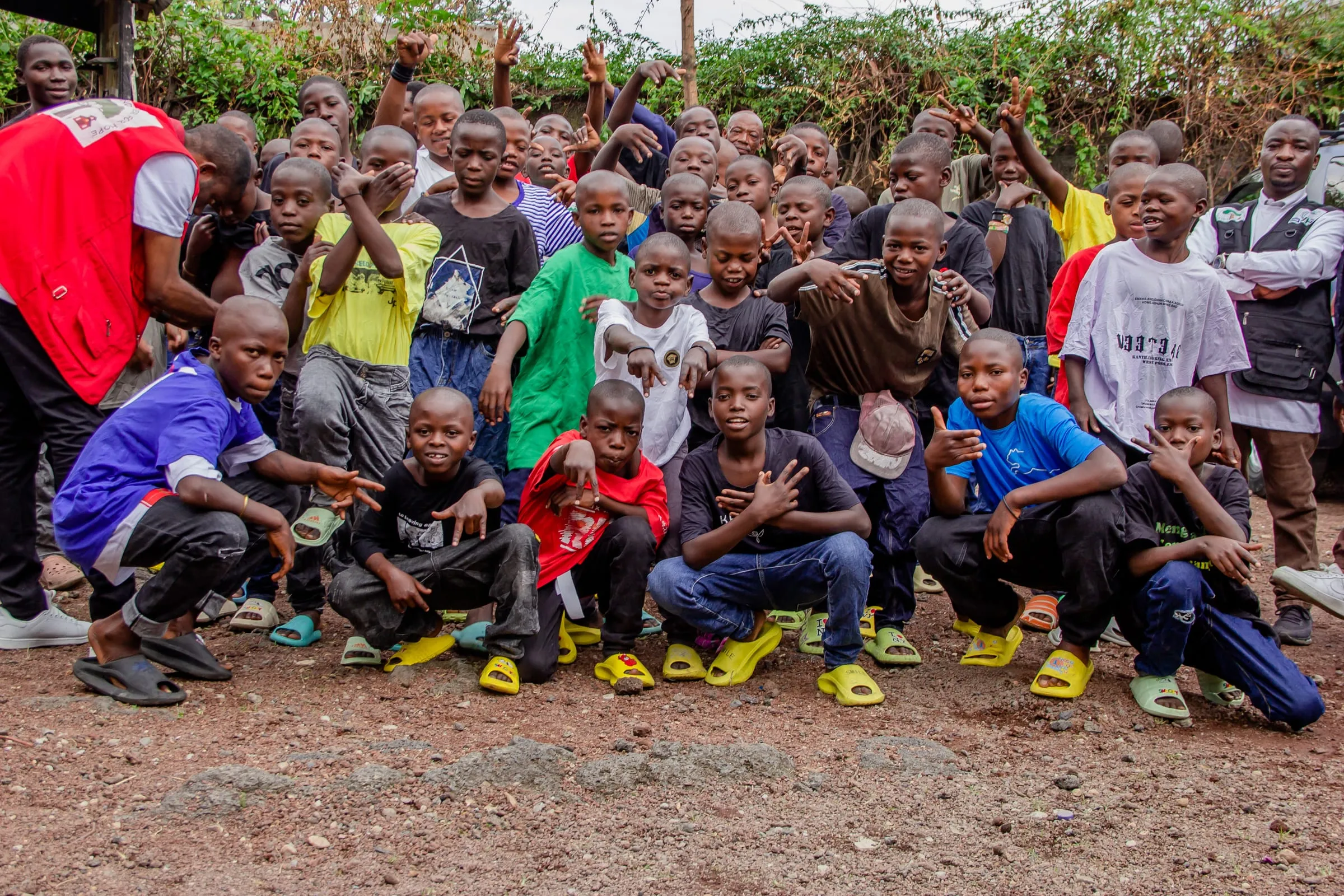
We reach children in the hours after an attack, when they have just lost their families and are most at risk of being taken by an armed group, a trafficker or an exploiter. We give them safety, food, school and care. Then we do the hardest and most important part: find their families and reunify them.
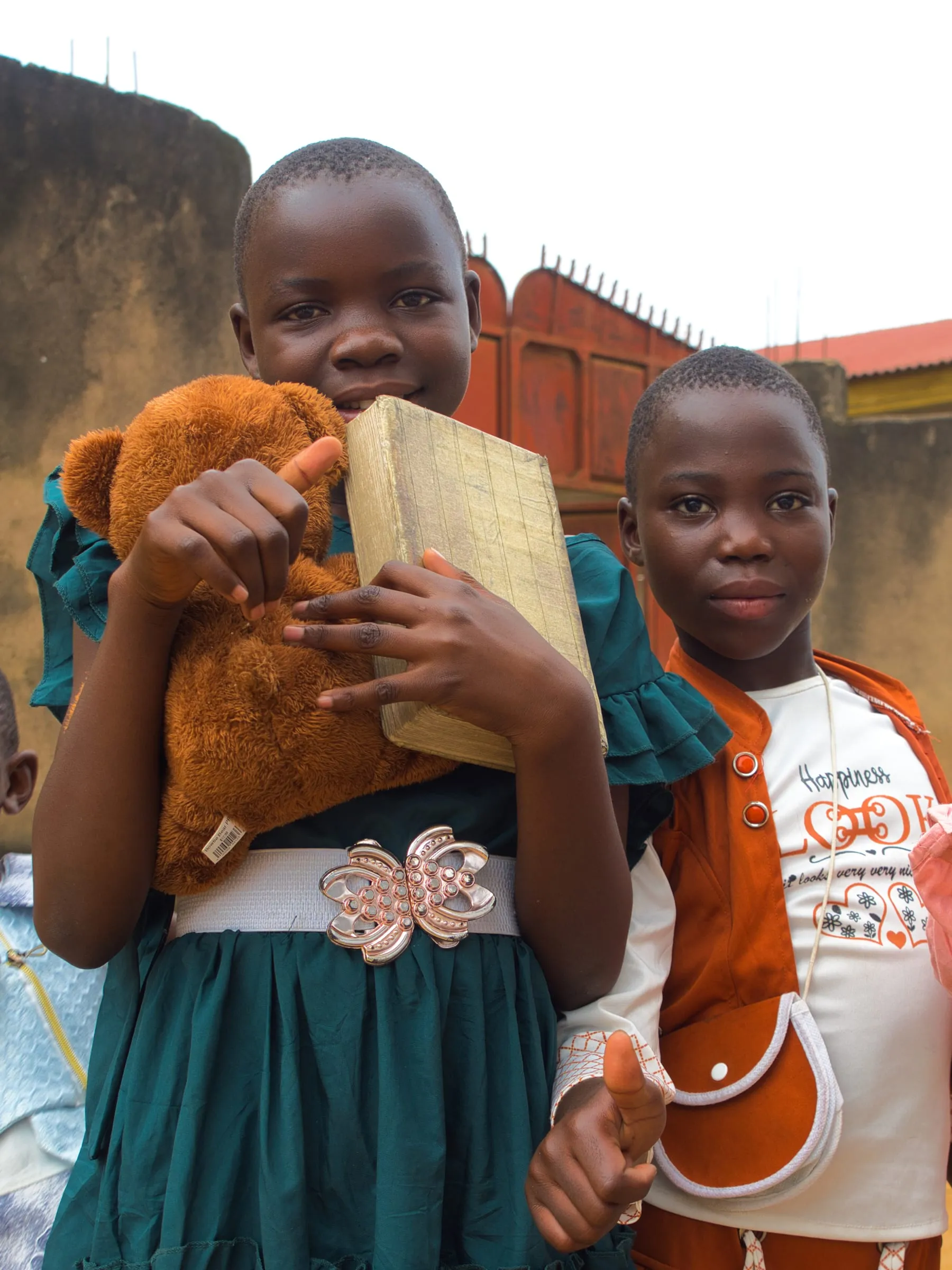
Two Centers for Hope
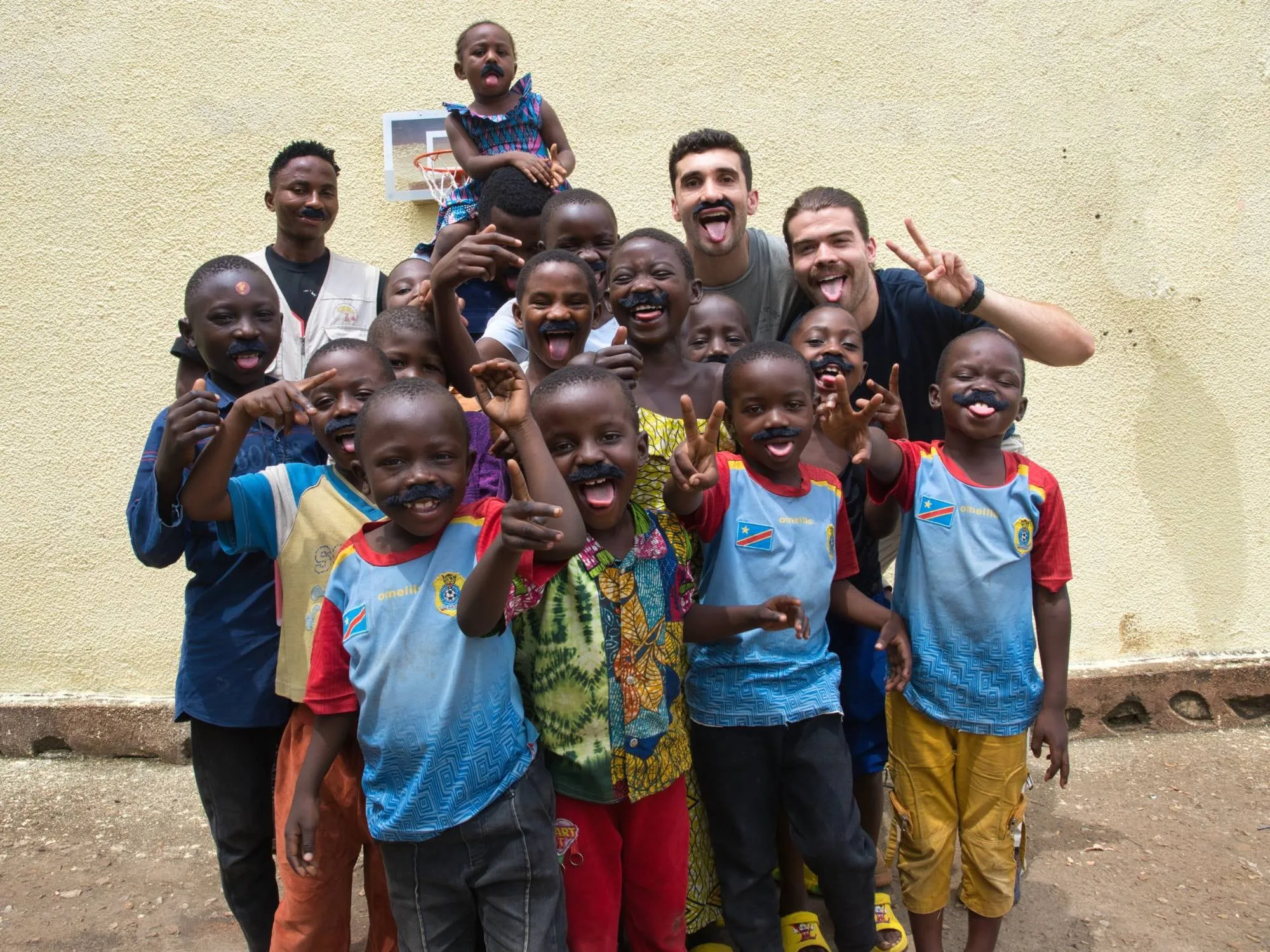
Opened March 2020
Prevention before recruitment
Girls and boys orphaned or separated by armed attacks, aged 4–17.
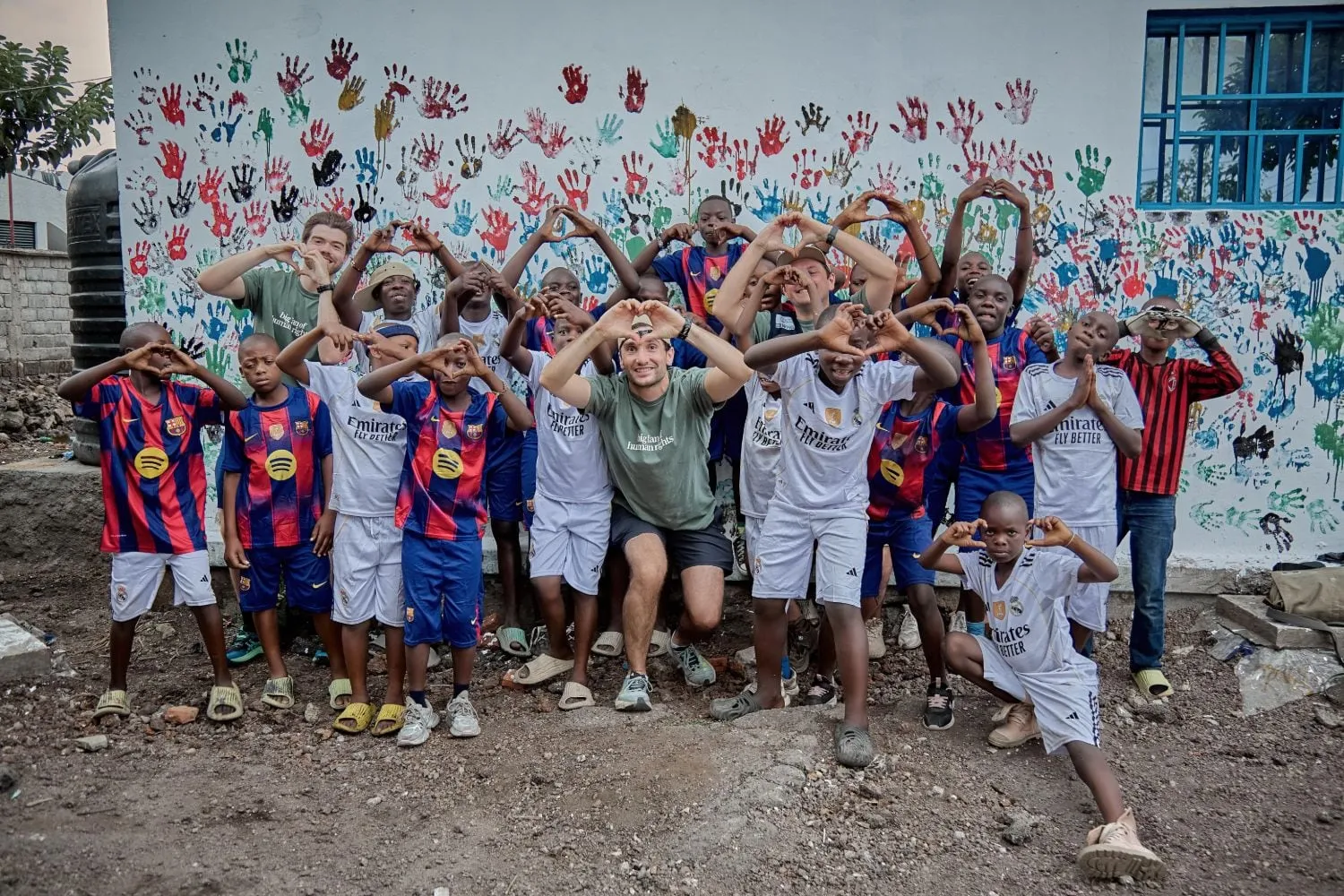
Opened May 2025
Long-stay rehabilitation for former child soldiers
Boys aged 8–17 formerly associated with armed groups, or at the greatest risk of recruitment.
Our impact
We publish our reunification figures and update them as children go home. More than a third of the children reunified from Beni are girls, who are often the most at risk of exploitation.
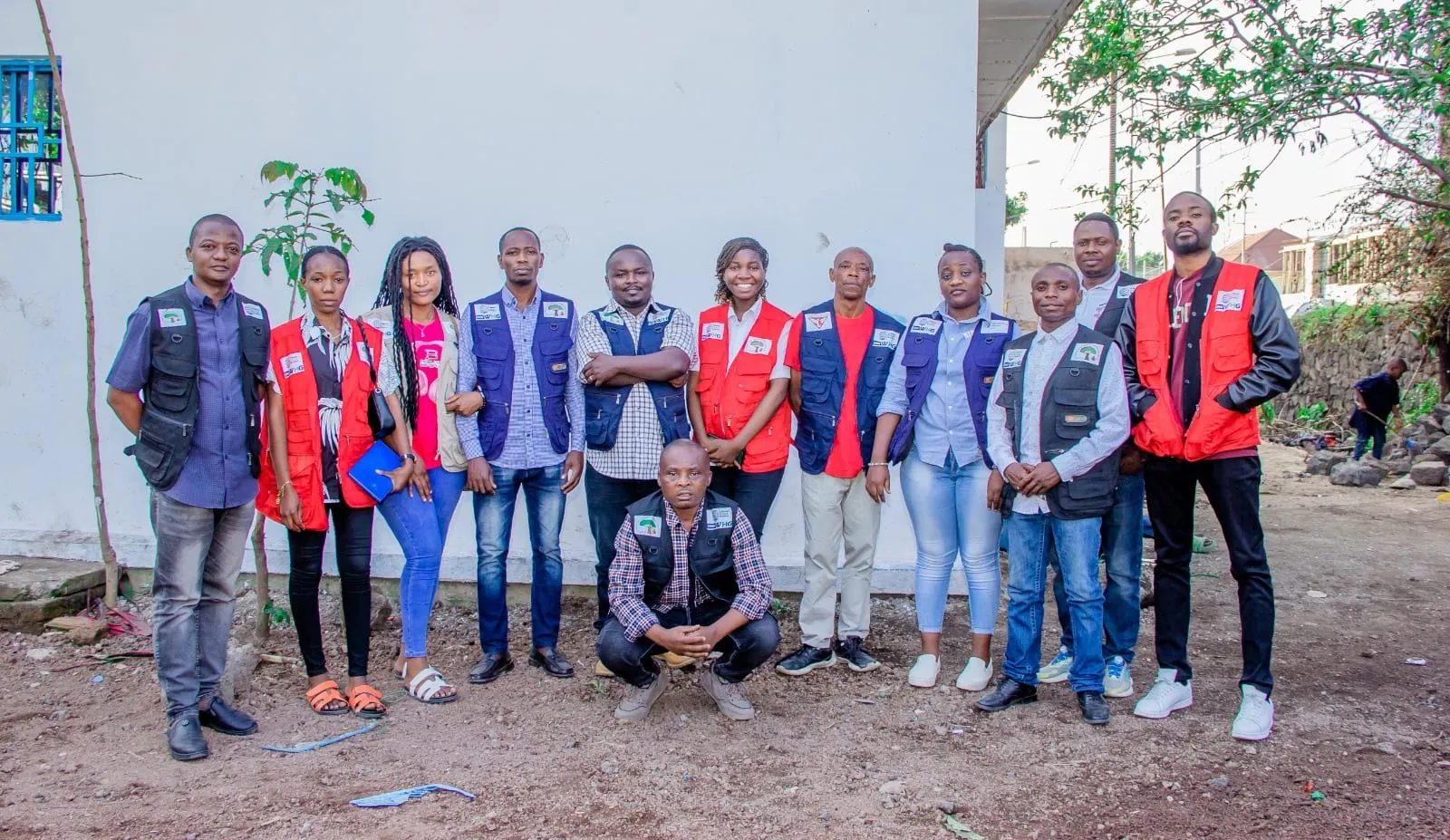
Locally led
Every one of our staff is Congolese, hired locally and paid above the national average with no gender pay gap. Our partner World Hope Givers runs operations on the ground. Children study in local schools (and, while Ebola is circulating, in our own on-site classrooms), and we buy from local businesses.
“This place is the last resort. Without us, I'm not sure these kids would still be here today.”
Where it began
In 2019, at the end of his first year of medical school, Nicolas Fesser spent eight weeks volunteering in the Ebola camps in North Kivu, during one of the largest Ebola outbreaks ever recorded. He came home with a phone full of messages from friends, as attacks on the towns he had worked in grew worse. A few months later, with Alain Bayongwa and a local team, the first Center for Hope opened its doors.
Read our story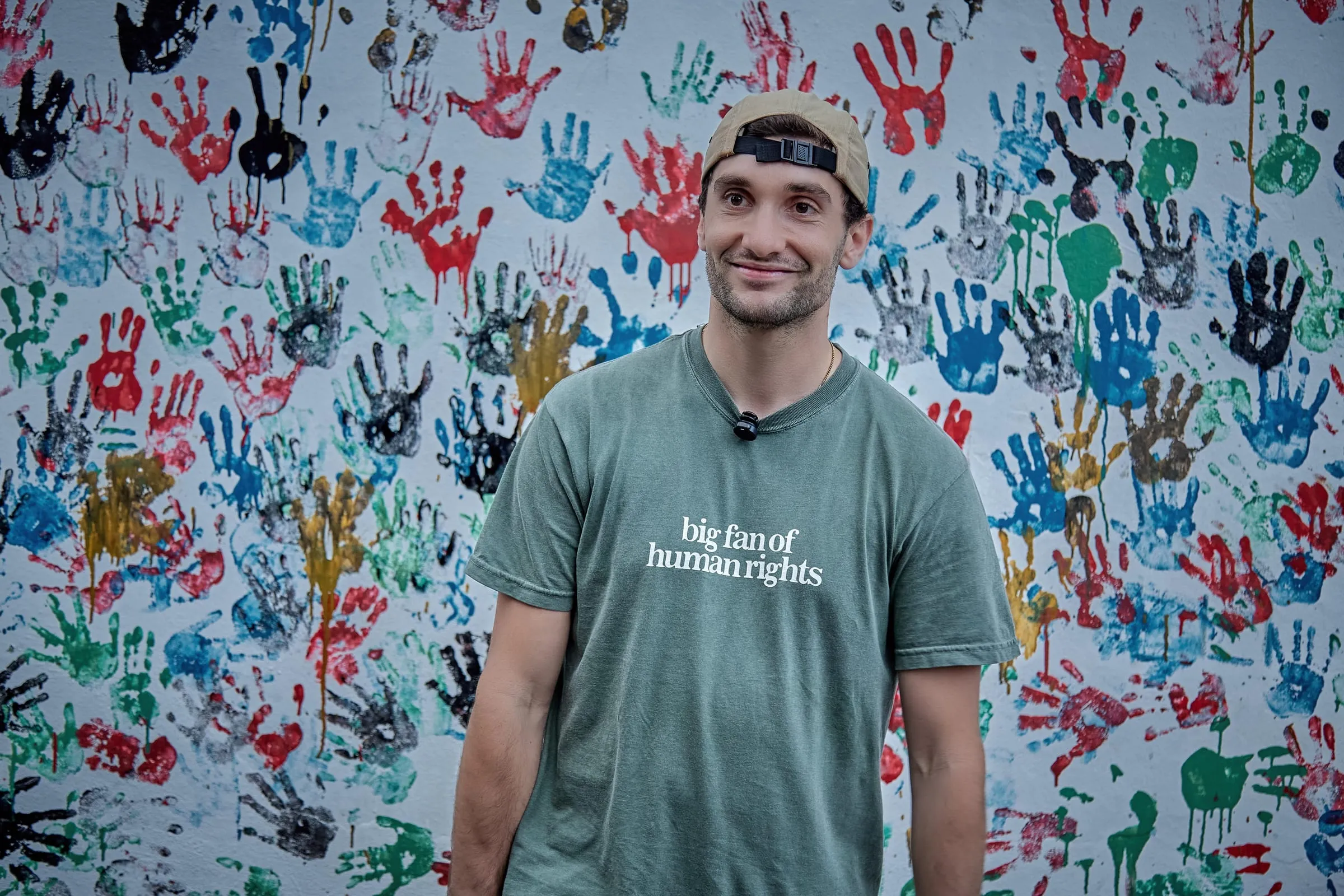
Join us
Your gift keeps a bed, three meals, school and counseling ready for the next child who needs them. Monthly gifts let us plan ahead in a place where nothing else is predictable.
Tax-deductible · Secure checkout by Donorbox · Our treasurer reviews every field expense